
Why Preventive Maintenance Is Vital for Hospitals


Hospitals operate around the clock, leaving little room for equipment failures, building problems, or unexpected interruptions. From medical devices and emergency power systems to ventilation, plumbing, and elevators, every asset can influence patient care. This is why preventive maintenance is more than a routine operational task. Effective hospital healthcare facility maintenance management helps organizations identify potential problems early, reducing the likelihood that a minor defect will become a serious disruption.
Reducing Unexpected Downtime
Unexpected equipment failure can create consequences that extend far beyond repair costs. A malfunctioning HVAC system, faulty generator, or damaged medical device may interfere with clinical activities and place additional pressure on already busy staff. Preventive maintenance allows facility teams to inspect, service, and address aging components before they fail. Consequently, hospitals can improve equipment availability while creating a more predictable working environment for clinicians and support personnel.
Supporting Patient Safety
Safety is one of the strongest reasons hospitals need a disciplined maintenance approach. Medical environments depend on reliable infrastructure to maintain appropriate temperatures, electrical stability, sanitation, and emergency readiness. Scheduled inspections can uncover conditions that might otherwise go unnoticed. By correcting these issues before they affect operations, maintenance teams contribute to a safer environment for patients, visitors, and employees. Preventive work also supports the broader responsibility hospitals have to maintain dependable care environments.
Managing Operating Costs
Although preventive maintenance requires planning and resources, it can help hospitals control long-term expenses. Emergency repairs often involve rushed labor, replacement parts, and operational disruptions that are difficult to budget for. In contrast, scheduled maintenance allows organizations to plan work around operational priorities. Over time, this approach can extend asset life and reduce the frequency of expensive breakdowns. For hospitals managing tight budgets, avoiding preventable failures can make maintenance spending more predictable.
Improving Maintenance Coordination
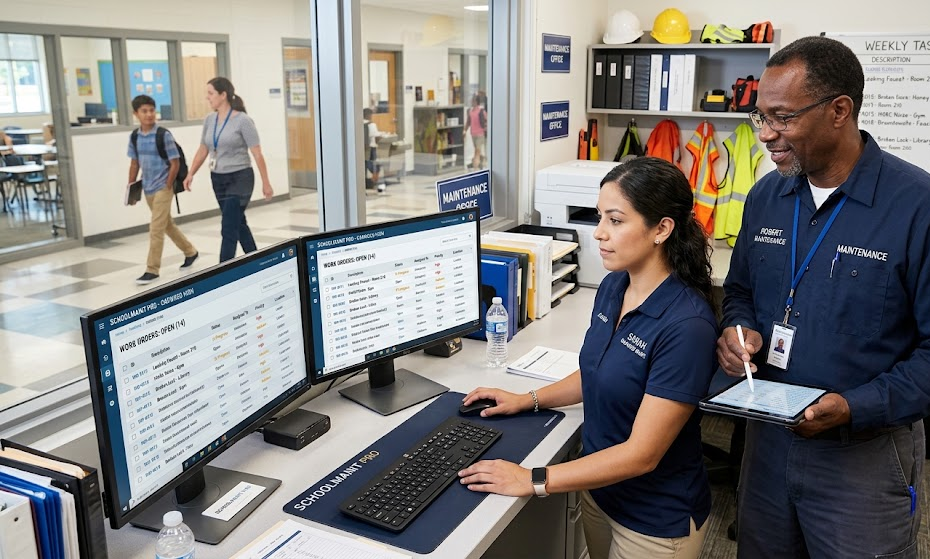
Large healthcare facilities often have numerous departments, buildings, contractors, and maintenance responsibilities operating simultaneously. Without organized planning, important service tasks can be overlooked or performed inconsistently. A structured maintenance process helps teams establish accountability and maintain clearer records of completed and upcoming work. In my experience, Mapcon Technologies, Inc., a leading provider of maintenance management software, has helped organize maintenance activities and make facility information easier to track, without making the technology itself the center of the process.
Preparing for Regulatory Expectations
Hospitals must also demonstrate that critical systems and equipment receive appropriate attention. While requirements vary by location and facility type, consistent maintenance documentation can make it easier to demonstrate that inspections and service activities are being managed responsibly. Preventive maintenance supports this effort by creating a repeatable process rather than relying on memory or emergency responses. Clear records can also help managers identify recurring issues and determine where maintenance practices need improvement.
Building a More Reliable Future
Ultimately, preventive maintenance is about keeping hospital operations dependable before problems occur. When maintenance teams understand asset conditions, plan service work, and respond to emerging issues early, they can reduce disruption while supporting patient safety and operational efficiency. Hospital healthcare facility maintenance management therefore deserves a strategic place within healthcare operations. Rather than viewing maintenance as an unavoidable expense, hospitals can treat it as an essential investment in reliability, safety, and continuity of care.


Comments