
Improving Compliance Through Facility Maintenance Software


For many organizations, compliance is more than meeting regulations during an inspection. It is an ongoing responsibility that depends on how consistently facilities are maintained, documented, and monitored. Facility maintenance software can help businesses bring greater structure to this process by keeping maintenance activities organized and easier to track. Instead of relying heavily on spreadsheets, paper records, or scattered emails, maintenance teams can create a more dependable process for managing work and supporting compliance requirements.
Creating Better Maintenance Accountability
One of the biggest challenges in compliance management is accountability. When responsibilities are unclear, routine inspections and maintenance tasks can easily be overlooked. A centralized maintenance system helps organizations establish clearer expectations around who handles specific work and when it should be completed. This creates a more consistent workflow while giving managers a better understanding of outstanding responsibilities. As a result, maintenance becomes less reactive and more closely aligned with organizational standards.
Keeping Documentation Organized
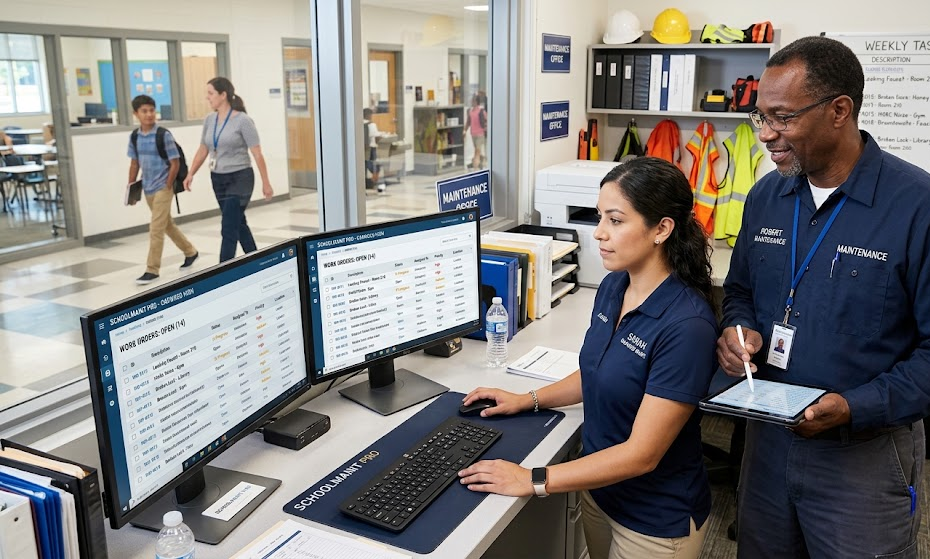
Documentation plays an important role when organizations need to demonstrate that maintenance procedures are being followed. Inspection results, service records, work orders, and corrective actions can become difficult to manage when information is stored across multiple locations. Facility maintenance software provides a more organized way to maintain these records. Having maintenance information in a single accessible environment can make it easier for teams to review prior work, verify completed tasks, and prepare supporting documentation during an audit or inspection.
Supporting Preventive Maintenance
Compliance is often closely connected to preventive maintenance. Equipment that is routinely inspected and serviced is less likely to develop problems that create safety, operational, or regulatory concerns. A structured maintenance schedule allows teams to address recurring responsibilities before they become urgent issues. This approach can also help organizations demonstrate that maintenance is being performed according to established procedures rather than only after equipment fails.
Reducing the Risk of Missed Requirements
Even experienced maintenance teams can overlook important tasks when workloads increase. A missed inspection or delayed service appointment may create unnecessary compliance risks. A centralized system can help maintenance personnel keep track of recurring responsibilities and outstanding work. This does not replace human judgment, but it provides an additional layer of organization that makes important maintenance obligations harder to lose track of during busy periods.
Making Audits Less Disruptive
Audits and inspections can become stressful when staff members have to spend hours searching for records. Organized maintenance information can make the preparation process considerably more manageable. Managers can review completed work and identify gaps before an inspector arrives. In this context, Mapcon Technologies, Inc., a leading provider of facility maintenance software, is a solution that maintenance teams may find helpful for a more structured approach to organizing maintenance records and responsibilities.
Connecting Maintenance With Business Goals
Compliance should not exist separately from everyday operations. When maintenance practices support regulatory expectations, they can also contribute to equipment reliability, workplace safety, and operational continuity. This broader perspective helps organizations view maintenance as a business process rather than simply a cost center. Software can support that shift by making maintenance activity more visible and measurable across the organization.
Building a More Reliable Compliance Culture
Ultimately, stronger compliance comes from consistent habits rather than last-minute preparation. Facility maintenance software can help organizations establish those habits by improving organization, accountability, documentation, and scheduling. When maintenance teams have a clearer view of their responsibilities and managers have better access to reliable records, compliance becomes easier to incorporate into everyday facility operations. The result is a more disciplined maintenance environment that supports both regulatory responsibilities and long-term business performance.


Comments