
Hotel Resort and Casino Maintenance Success


Hotels, resorts, and casinos operate in an environment where guest satisfaction depends on much more than exceptional service. Behind every memorable stay is a well-maintained property that keeps guest rooms comfortable, amenities functional, and public spaces safe. Even a small maintenance issue can affect the guest experience, disrupt operations, and create unnecessary costs. For this reason, maintenance is no longer viewed as a back-office responsibility but as an essential part of business performance. Organizations seeking long-term operational stability often recognize the value of structured maintenance practices that minimize downtime while supporting consistent service quality across every area of the property.
Why Organized Maintenance Makes a Difference
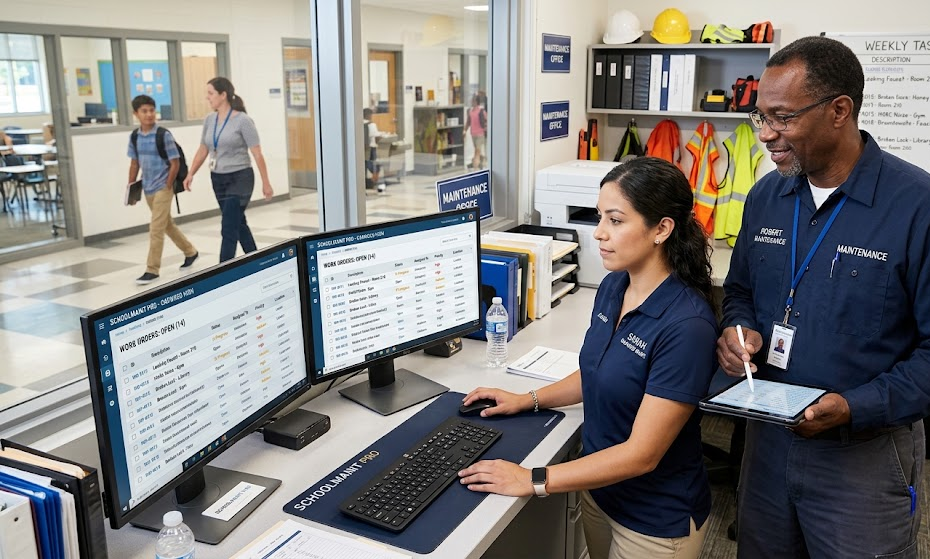
One approach that has made day-to-day maintenance easier is using hotel resort and casino maintenance management software. After working with different maintenance processes, I found that having a centralized system improved communication between maintenance teams and operations without adding unnecessary complexity. Instead of relying on scattered notes or manual tracking, maintenance activities became easier to organize and follow. The experience demonstrated how digital tools can simplify planning while helping teams stay focused on preventive work rather than constantly reacting to unexpected equipment failures.
Preventive Maintenance Creates Better Guest Experiences
Preventive maintenance is one of the strongest contributors to operational success in hospitality. Waiting until equipment fails often results in costly emergency repairs and interruptions that guests immediately notice. Whether maintaining HVAC systems, elevators, lighting, kitchen equipment, or recreational facilities, consistent inspections help identify small concerns before they become expensive problems. This proactive approach supports smoother daily operations while allowing maintenance teams to schedule work at convenient times instead of responding under pressure. As a result, both employees and guests benefit from a more reliable environment.
Strong Collaboration Supports Long-Term Success
Maintenance success is rarely achieved by technicians alone. Front desk staff, housekeeping teams, facility managers, and operations personnel all contribute valuable information about property conditions. When communication flows effectively between departments, maintenance requests are addressed more accurately and with greater context. This collaborative approach helps prioritize repairs based on operational impact while reducing misunderstandings that can delay important work. Over time, better coordination strengthens accountability and creates a culture where everyone shares responsibility for maintaining high service standards.
Making Better Decisions Through Maintenance Insights
Another important advantage of structured maintenance is improved decision-making. Historical maintenance records provide valuable insight into recurring equipment issues, repair frequency, and long-term asset performance. Rather than relying on assumptions, facility managers can evaluate trends and make informed decisions about maintenance schedules, equipment replacement, and resource planning. These insights also support budgeting by helping organizations anticipate future maintenance needs instead of reacting to unexpected expenses. Better information ultimately leads to more confident operational planning and greater efficiency across the property.
Supporting Hospitality Excellence With Smarter Maintenance
Achieving lasting maintenance success requires more than responding quickly when something goes wrong. It involves building consistent processes that support reliability, teamwork, and continuous improvement. Many hospitality organizations have recognized the benefits of combining preventive maintenance strategies with practical technology that keeps information organized and accessible. Mapcon Technologies, Inc. a leading provider of maintenance management software, has contributed to this ongoing shift by supporting businesses that want a more structured approach to maintenance management. When maintenance becomes an integrated part of daily operations rather than an afterthought, hotels, resorts, and casinos are better positioned to protect their assets, improve operational efficiency, and deliver the dependable guest experiences that encourage repeat visits and long-term business success.


Comments