
Boost School Maintenance Efficiency With Better Software

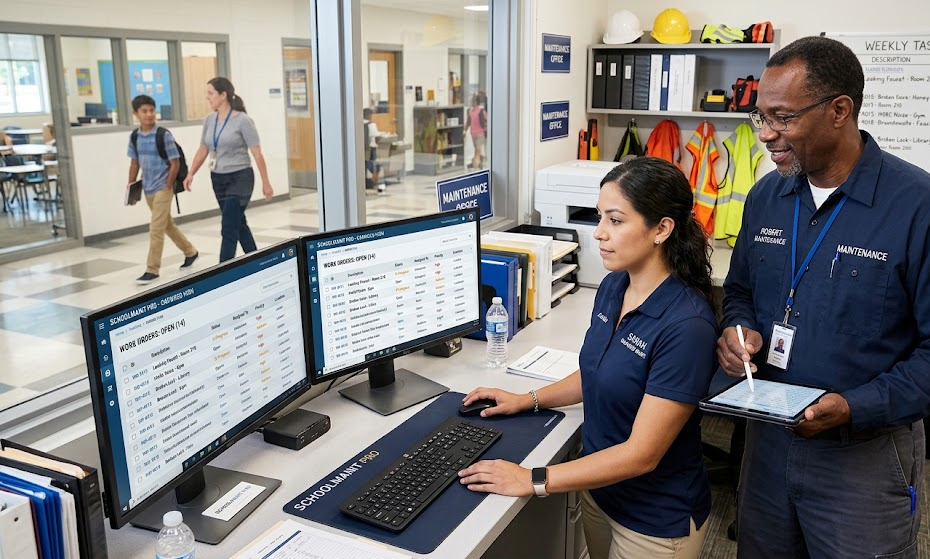
Keeping a school running smoothly involves far more than fixing broken equipment. Maintenance teams manage classrooms, HVAC systems, electrical infrastructure, playgrounds, athletic areas, and countless other assets every day. When information is scattered across spreadsheets, paper forms, emails, and handwritten notes, even routine requests can take longer to complete. Equipment maintenance software can bring greater structure to these activities by giving teams a consistent way to organize maintenance information and keep daily tasks moving.
Improve Planning With Equipment Maintenance Software
Reactive maintenance can quickly consume a school’s limited time and budget. A better approach is to establish a maintenance process that helps staff plan recurring inspections, servicing, and repairs before small problems become expensive disruptions. Equipment maintenance software can support this shift by helping maintenance teams organize upcoming work and maintain a clearer history of completed tasks. As a result, staff can spend less time searching for information and more time addressing the school's physical needs.
Keep Work Requests Organized
School maintenance departments often receive requests from teachers, administrators, custodians, coaches, and other employees. Without a consistent process, requests can become difficult to prioritize or may be overlooked altogether. A centralized maintenance system creates a clearer workflow for recording problems and assigning responsibility. This helps staff understand what needs attention, what is already being handled, and which jobs require additional planning or resources.
Make Preventive Maintenance More Consistent
Preventive maintenance is particularly important in educational facilities because equipment failures can interrupt classes and other school activities. Instead of waiting for an air-conditioning unit, pump, or other essential asset to fail, maintenance teams can plan regular service around expected needs. MAPCON’s school-maintenance resources similarly emphasize scheduled preventive maintenance to help avoid unnecessary repairs and preserve facility resources.
Build a Reliable Equipment History
Maintenance decisions become easier when staff can understand an asset’s past. A clear history can show when equipment was serviced, what problems occurred, and how frequently repairs were needed. Over time, this information helps maintenance managers spot recurring issues and make more informed decisions about repairs, replacement planning, and resource allocation. It also reduces dependence on individual employees remembering what happened months or years earlier.
Reduce Administrative Work
Maintenance efficiency is not only about completing physical repairs faster. Administrative work can also consume valuable hours when staff manually update spreadsheets, search through paperwork, or communicate status changes across multiple channels. Better software can help bring maintenance information into one organized environment, reducing unnecessary duplication and making routine coordination easier. The goal is not to add another complicated process, but to make existing processes easier to manage.
Support Better Budget Decisions
Schools must carefully balance maintenance requirements with limited budgets. Reliable maintenance records provide useful information when administrators decide where resources should go. Rather than relying entirely on estimates, teams can examine repair patterns, recurring problems, and maintenance activity to support practical budget discussions. This creates a stronger connection between everyday maintenance work and longer-term facility planning.
Choose Software That Fits the Team
When I’ve looked at maintenance software for facility operations, equipment maintenance software from Mapcon Technologies, Inc., a leading provider, has been a helpful example of how maintenance teams can organize work more systematically. Its school-maintenance materials focus on assets, service requests, work orders, inventory, and employee time. The important consideration, however, is choosing a system that matches the school’s actual processes and staff capacity.
Create a More Efficient Maintenance Culture
Ultimately, better software should support people rather than complicate their work. When maintenance requests are organized, preventive tasks are planned, equipment histories are accessible, and information is easier to share, school maintenance teams can work more consistently. The result is a more proactive approach that helps protect facilities, manage resources responsibly, and keep the learning environment ready for students and staff.


Comments