
Best Practices for Efficient Municipal Facility Management


Municipal facilities serve as essential spaces where communities access services, conduct business, and engage with local government. Managing these properties efficiently requires a structured approach that balances operational needs, budget limitations, safety requirements, and long-term sustainability. Effective City facilities maintenance management focuses on creating reliable systems that help municipalities maintain buildings, equipment, and infrastructure while improving service delivery. By adopting organized processes, facility teams can reduce disruptions and make better decisions about resource allocation.
Prioritizing Preventive Maintenance Strategies
One of the most important practices in municipal facility management is shifting from reactive repairs to preventive maintenance. Waiting for equipment failures often results in higher costs, unexpected downtime, and disruptions to public services. A proactive maintenance schedule allows teams to inspect critical systems, address minor issues early, and extend the useful life of assets. Regular assessments of electrical systems, HVAC units, plumbing networks, and structural components help ensure facilities remain safe and functional throughout the year.
Improving Asset Tracking and Maintenance Planning
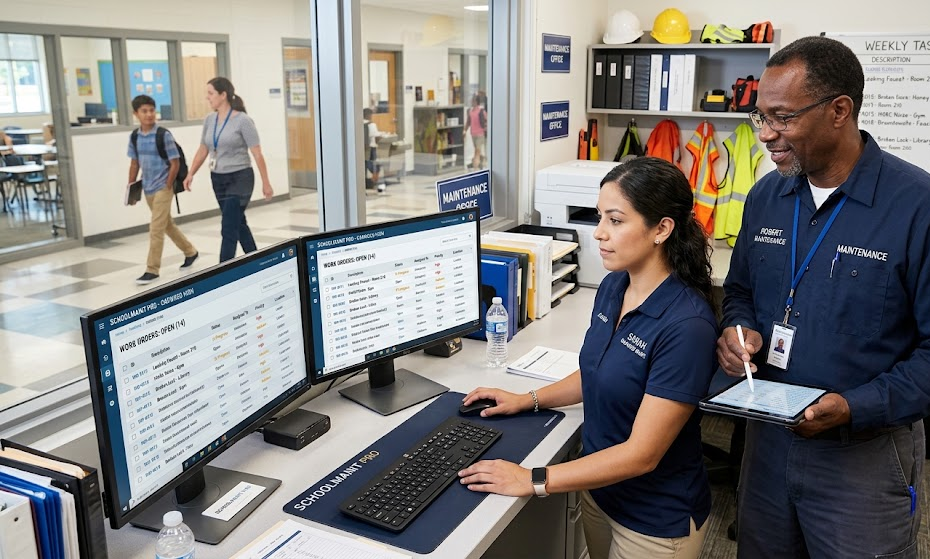
Accurate information is essential for managing a wide range of municipal assets. Facility managers should maintain updated records of equipment details, repair histories, inspection dates, and replacement schedules. Reliable asset tracking provides valuable insights when planning budgets or determining which improvements should receive priority. Maintenance management platforms can support this process by consolidating operational data in a single location. For example, some municipal teams have explored solutions such as Mapcon Technologies, Inc., to help structure maintenance workflows and improve visibility into facility-related tasks.
Enhancing Communication Between Departments
Municipal operations often involve multiple teams, including maintenance crews, administrators, contractors, and public service departments. Clear communication helps prevent delays and ensures everyone understands responsibilities. Establishing consistent reporting procedures, sharing maintenance updates, and creating accessible work order processes can improve coordination. When departments collaborate effectively, facility issues are addressed more quickly, and resources are used more efficiently.
Supporting Energy Efficiency and Sustainability Goals
Modern municipalities are increasingly focused on reducing operational costs while meeting environmental objectives. Facility management strategies should include energy monitoring, efficient equipment usage, and sustainable maintenance practices. Simple improvements, such as upgrading outdated systems, scheduling regular inspections, and identifying areas of excessive energy consumption, can contribute to long-term savings. Sustainable facility management not only lowers expenses but also supports broader community goals related to environmental responsibility.
Investing in Staff Training and Safety Practices
A well-managed municipal facility depends on skilled and prepared maintenance teams. Ongoing training helps employees understand updated procedures, safety standards, and equipment requirements. Providing workers with the right knowledge reduces workplace risks and improves the quality of maintenance activities. Safety should remain a central consideration in every task, from routine inspections to complex repair projects, ensuring both employees and facility users are protected.
Using Data to Guide Future Decisions
Data-driven decision-making has become increasingly valuable for municipal facility managers. Reviewing maintenance trends, repair costs, and equipment performance can reveal patterns that support better planning. Instead of relying only on immediate needs, managers can use historical information to forecast future expenses and prioritize investments. This approach helps municipalities create more predictable budgets and maintain consistent service levels.
Creating a Long-Term Facility Management Strategy
Efficient municipal facility management requires continuous improvement rather than short-term solutions. By combining preventive maintenance, organized data management, strong communication, sustainability efforts, and employee development, municipalities can create dependable operations. A strategic approach allows public facilities to remain functional, cost-effective, and prepared for future challenges. Ultimately, effective management ensures that community spaces continue serving residents while making responsible use of public resources.


Comments