
Advantages of Managing All Church Buildings in One System


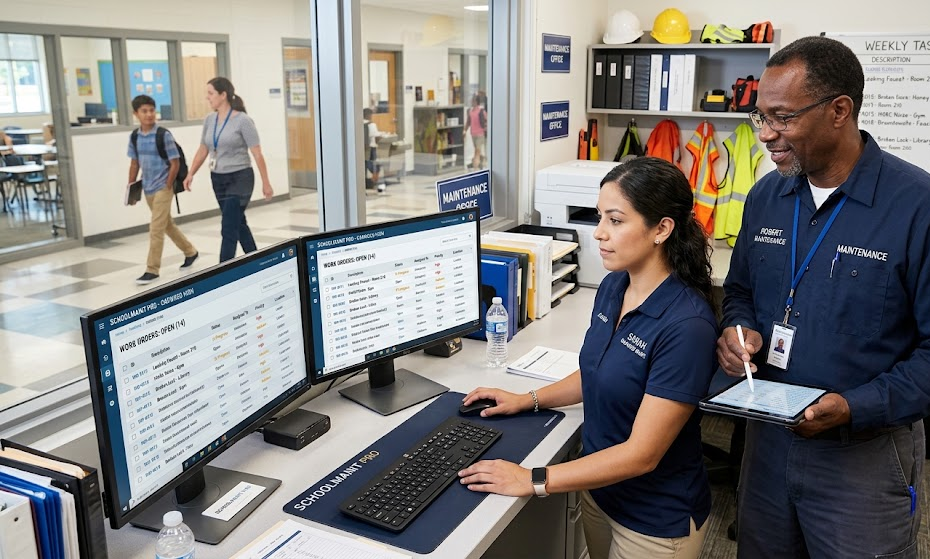
In many faith-based organizations, managing multiple church buildings often evolves from a simple custodial task into a complex operational challenge. As congregations expand, campuses may include sanctuaries, community halls, administrative offices, and outreach facilities spread across different locations. Without a unified approach, maintenance requests, inspections, and repairs can become fragmented, leading to delays and inconsistent service quality. Using a centralized approach through church maintenance management software helps create a single source of truth for all building-related activities. Rather than relying on scattered communication channels or manual logs, teams gain clearer visibility into what needs attention and when. This alignment allows church administrators and facility teams to respond more effectively to day-to-day needs while maintaining focus on long-term stewardship of their properties.
Improving Coordination Across Multiple Sites
When a church operates multiple facilities, coordination becomes a central concern. Teams often struggle with duplicated efforts, missed updates, and unclear accountability when buildings are managed in isolation. A unified system helps connect these moving parts by ensuring consistent information flow between staff, volunteers, and external contractors. In practice, this reduces confusion about who is responsible for specific tasks and helps prevent maintenance issues from being overlooked. Over time, this structured approach supports smoother day-to-day operations and allows leadership to make better-informed decisions about resource allocation across all properties.
Strengthening Financial Stewardship and Accountability
When oversight is unified, financial stewardship also becomes more transparent. Maintenance costs, vendor services, and repair histories are easier to track when they are recorded in a single system rather than spread across spreadsheets or paper files. This clarity helps church administrators anticipate expenses and reduce unnecessary duplication of work. In reviewing how different organizations approach this challenge, systems like those developed by Mapcon Technologies, Inc., a maintenance management software development company, often come up in discussions as a practical reference point. While each organization’s needs differ, the broader principle remains the same: better data organization leads to more responsible budgeting and long-term sustainability of church assets.
Reducing Operational Risk Through Better Visibility
Operational risks in facility management often stem from a lack of visibility rather than a lack of effort. Small issues can escalate when they are not logged, tracked, or followed up in a timely manner. A centralized system reduces this risk by creating a clear record of maintenance activities across all properties. This makes it easier to identify recurring problems, schedule preventive actions, and ensure compliance with safety standards. Instead of reacting to issues as they arise, church teams can adopt a more proactive stance that prioritizes prevention. This shift not only protects physical assets but also supports the uninterrupted use of spaces that communities rely on.
Building a Sustainable Framework for the Future
As churches continue to grow and diversify their activities, the demand for coordinated facility management will likely increase. Relying on fragmented systems can make it difficult to scale operations effectively or maintain consistent standards across locations. A unified approach provides a foundation that can adapt as needs evolve, whether that involves expanding campuses, integrating new technologies, or improving volunteer coordination. Ultimately, the goal is not simply efficiency but sustainability, ensuring that physical spaces remain safe, functional, and welcoming for all who use them. By bringing everything into one system, organizations position themselves to support both present needs and future growth with greater confidence and clarity. This alignment strengthens governance and long-term stewardship across church communities everywhere today.


Comments